Paying to Feel Close: The Real Money Behind Your Favorite Creator
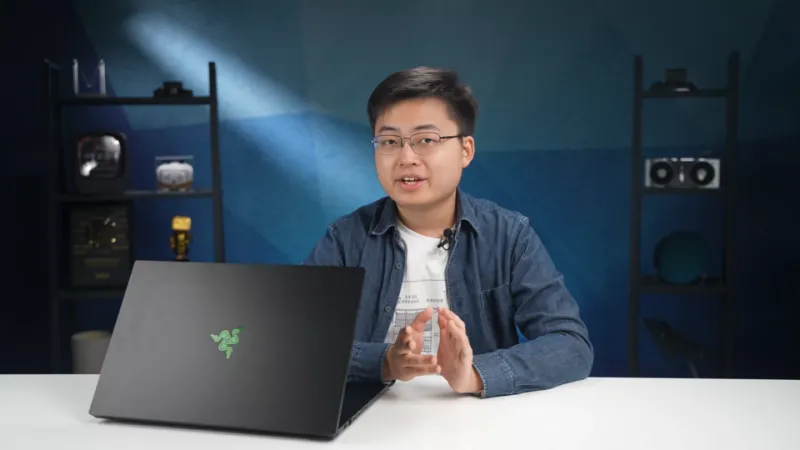
Photo: 极客湾Geekerwan, CC BY 3.0, via Wikimedia Commons
There's a moment every longtime subscriber knows. The streamer glances at the chat, catches your username mid-sentence, and says something offhand — maybe a joke, maybe just your name followed by a laugh. And for a second, it feels like a conversation. Like you matter to this person. Like they'd recognize you on the street.
They wouldn't. But that feeling? That's worth a lot of money.
The creator economy didn't invent parasocial relationships. Radio hosts, talk show personalities, and advice columnists have always inspired one-sided emotional bonds. What changed is the infrastructure. Platforms like Twitch, Patreon, YouTube, and Substack turned that ambient closeness into a monetization engine with real precision — and creators, whether they planned it that way or not, are operating inside a system designed to convert your feelings into recurring revenue.
The Architecture of Intimacy
When a podcaster records in a quiet room and speaks directly into your ears for an hour, something neurological happens. Your brain processes that voice the same way it processes a friend talking to you. It's not manipulation — it's just how human cognition works. But platforms absolutely know this, and the products they've built capitalize on it.
Subscription tiers are the clearest example. On Patreon, a creator might offer a $5 tier with bonus episodes, a $15 tier with early access, and a $50 tier with a monthly group video call. Each level isn't just content — it's the promise of proximity. Pay more, get closer. The product being sold isn't really the podcast or the video. It's the sensation of being in someone's inner circle.
Sponsorship integrations follow the same logic. When a creator reads an ad copy mid-episode, they're borrowing the trust you've extended to them and lending it to a brand. Studies consistently show that host-read ads outperform standard digital advertising by significant margins. The reason is simple: you don't trust the ad. You trust the person reading it. And that person is someone you've listened to for hundreds of hours, someone whose opinions you've absorbed, someone who feels like a friend.
What Creators Actually Think About This
Here's where it gets complicated, because most creators aren't villains in this story. The majority of people building audiences on these platforms started because they genuinely loved something — a game, a topic, a style of conversation — and wanted to share it. The monetization came later, often as a necessity.
A mid-tier gaming streamer pulling in $3,000 a month from subscriptions and donations isn't getting rich. They're paying rent, maybe buying equipment, possibly still working a second job. For them, the emotional connection they've built with their audience isn't a scheme. It's the whole point. It's why they do it.
But even well-intentioned creators operate inside platform incentive structures that reward parasocial depth. Twitch's subscription model pays creators based on subscriber count. YouTube's algorithm rewards watch time and return visits. The more a viewer feels personally invested, the more they return, the more they subscribe, the more the platform rewards the creator for fostering that investment. The system is set up to push toward intimacy whether or not the creator consciously chooses it.
The Hidden Cost on the Audience Side
So what does this mean if you're the person watching, listening, subscribing? A few things worth sitting with.
First, the financial piece. Twitch subscriptions, Patreon pledges, YouTube memberships, Substack newsletters — these are recurring charges that often fly under the radar in monthly budgets. A handful of $5 and $10 subscriptions stacks up quietly. And the psychological mechanism that makes you least likely to cancel is the same one that makes you feel guilty for unsubscribing, like you're abandoning a friend.
Second, there's an emotional labor imbalance that rarely gets named out loud. You're genuinely invested. You know this person's opinions, their history, their pet's name. You feel something real when they have a bad week on stream. And they have no idea you exist. That asymmetry isn't inherently harmful — plenty of people maintain healthy relationships with creators they follow — but it becomes a problem when the emotional weight of the relationship starts to feel like a real friendship with real obligations.
Creators with large audiences have started talking more openly about this dynamic, particularly around what happens when they take a break or shift their content. The backlash — the feelings of betrayal from audiences — is real and documented. Fans feel abandoned by someone who never knew them. That's a genuinely strange and underexplored corner of modern emotional life.
Is There a Better Way to Do This?
Some creators are actively trying to build more transparent models. Being upfront about sponsorships, explaining how revenue works, pushing back against the language of friendship when the relationship is fundamentally one-directional — these are small but meaningful shifts.
On the audience side, the most useful reframe might be thinking of creator support less like friendship maintenance and more like patronage. You're paying for work you value. The person makes something you enjoy. That transaction can be meaningful and real without requiring an emotional bond that only exists on your end.
None of this means you have to feel cynical about the creators you follow. The connection you feel is real, even if it's one-sided. The content matters. The community around it matters. But knowing how the economics work — really knowing — gives you a little more agency over where your money and your emotional energy actually go.
The parasocial paycheck is real. So is the invoice on your end. Worth knowing what you're paying for.